CONTACT US

System Integration & Data Management

Enterprise System Integration & Data Management Solutions

Unifying Enterprise Operations Through Microsoft System Integration & Data Management

System integration and data management are no longer back-office concerns. They determine how information moves across the enterprise, how decisions are made, and how reliably the organization can operate at scale.

i3solutions unifies platforms, applications, and data into a governed digital foundation. We align integration architecture, data platforms, and operating models to eliminate fragmentation, establish trusted information flows, and support analytics and AI-enabled operations. With nearly 30 years of enterprise delivery experience, we help organizations modernize legacy environments, integrate cloud platforms, and build scalable data architectures that give leadership visibility, control, and decision confidence.

Establish a Unified, Defensible Integration Foundation

Align systems, data, and integration architecture into a governed operating model that supports enterprise scale, reliability, and decision-making. Replace brittle point-to-point connections with an integration foundation leadership can govern, scale, and stand behind.

Why Integration Matters More Than Ever

Most enterprises now operate across a sprawl of cloud apps, departmental tools, legacy platforms, and customer-facing technologies. While each solution serves a purpose, the lack of alignment between them creates operational complexity that slows teams down. Data becomes scattered across departments, processes break, and leaders struggle to gain a single, accurate view of the business. When implemented by an experienced integration partner, systems remain connected, consistent, and aligned to enterprise priorities.

When systems operate in isolation, data silos form and critical information becomes trapped. Teams spend countless hours searching for files, reconciling reports, and manually transferring data between tools that were never designed to communicate. These inefficiencies create issues across your organization, leading to slower execution, inconsistent decision-making, and missed opportunities that competitors will gladly take advantage of.

The cost of unintegrated systems goes beyond inconvenience. It drives up labor costs, increases the risk of human error, and limits an organization’s capacity to innovate. Industry research consistently shows that organizations lose significant revenue to inefficiencies caused by disconnected systems and poor data quality. These problems are entirely avoidable with the right system integration services in place.

Businesses that adopt end-to-end integration strategies see an improvement in operational efficiency and significantly faster access to real-time insights. In a market where speed and accuracy determine who leads and who lags, integration is no longer optional. It should be the foundation of scalable, high-performance digital operations.

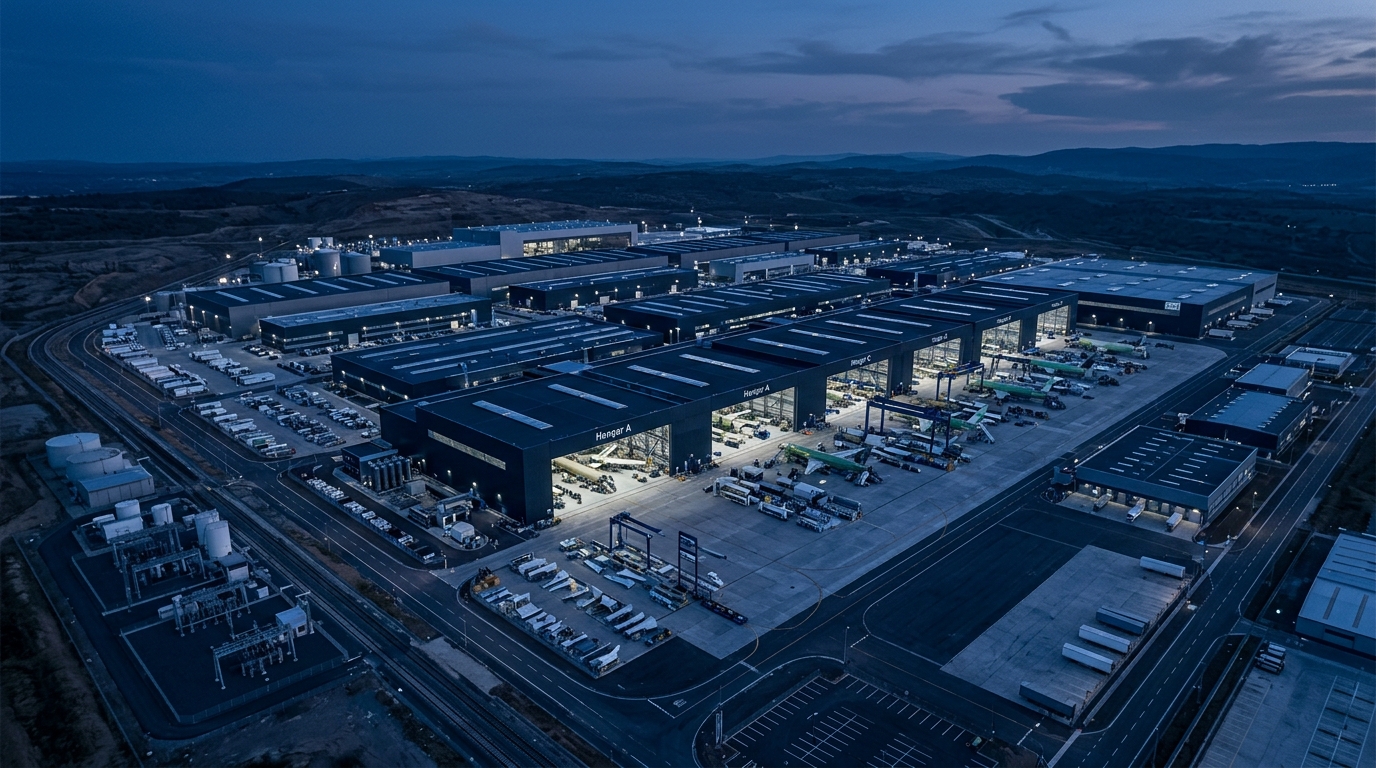
Aerial view of a major aerospace manufacturing facility representing the complex proposal management environment that the Virtual Proposal Center was built to serve

Enterprise System Integration at Scale

Most enterprise IT leaders understand system integration conceptually. The challenge is executing it at enterprise scale without creating brittle connections, ungoverned data flows, or long-term technical debt.

Each of these patterns serves a different purpose. The risk isn’t choosing the wrong one. It’s implementing them without a target architecture, governance model, or long-term ownership.

For enterprises operating across regulated, multi-platform environments, the integration approach matters as much as the integration itself. Understanding which patterns apply and when is what separates durable architecture from short-term fixes:

  • API Integrations: Connect applications through secure, standardized interfaces for real- time data exchange.
  • Middleware Integrations: Use an intermediary layer (like iPaaS or enterprise service buses) to unify complex systems.
  • ETL/ELT Pipelines: Extract, transform, and load data into centralized storage or analytics platforms.
  • Cloud-Native Integrations: Built directly on cloud platforms such as Azure for scalable, modern connectivity.
  • Legacy System Integrations: Bridge outdated systems with modern applications without disrupting operations.
  • Third-Party Platform Integrations: Connect CRMs, ERPs, eCommerce sites, financial tools, and custom solutions.

Enterprise Data Management That Supports Operations

Enterprise data management is only as effective as the integration layer beneath it. Without governed data flows, even mature data programs produce inconsistent, unreliable outputs that erode decision confidence and create compliance exposure.

Effective enterprise data management spans several interconnected disciplines:

Business Outcomes Enabled by Integrated Systems

When integration and data management are treated as enterprise infrastructure, the outcomes extend beyond IT efficiency. These are the operational and strategic gains organizations realize when systems and data work as a unified foundation:

Real-Time Insights for Faster Decisions

Integrating data from multiple sources allows your organization to gain real-time visibility into operations, finances, and customer interactions. This helps your teams to respond immediately to market changes, optimize resource allocation, and make informed strategic decisions. Partnering with a trusted Microsoft integration company like i3solutions  ensures your data flows seamlessly across systems, giving you the insights you need exactly when you need them.

Dramatically Improved Process Efficiency

Manual processes and duplicate workflows are a major drain on time and resources. System integration streamlines operations by automating data transfer, synchronizing applications, and eliminating redundant tasks. From order management and invoicing to inventory tracking and customer support, integrated systems reduce friction and speed up processes, freeing teams to focus on higher-value work. With our help, your business can unify workflows across departments for faster operations.

Business team discussing data analytics in a modern office setting.

Higher Productivity Across Teams

When employees spend less time switching between applications and reconciling conflicting data, productivity naturally rises. Integrated systems empower teams to access accurate information instantly, collaborate more effectively, and concentrate on strategic initiatives rather than routine, low-value tasks. Organizations that use Microsoft integration services often see measurable improvements in output, efficiency, and overall employee satisfaction.

Lower IT Costs & Reduced Complexity

Managing multiple disparate systems increases IT overhead, from licensing and maintenance to updates and troubleshooting. Integration reduces this complexity by centralizing processes and data flows, which lowers costs and allows IT teams to focus on innovation instead of firefighting.

Where Enterprise Integration Initiatives Break Down

Many integration programs fail not because the technology is wrong, but because structure, ownership, and governance are missing. In complex enterprises, disconnected integrations accumulate quietly until reliability, security, and data trust erode.

Common failure points include:

  • Brittle point-to-point connections that are hard to maintain and expensive to change
  • Integration debt created by tactical builds without a target architecture
  • Unclear ownership and governance across systems and data flows
  • Low data trust caused by inconsistent definitions, duplication, and late reconciliation
  • Rework and cost overruns when integrations must be rebuilt to support scale, automation, or analytics

These breakdowns don’t reflect lack of effort. They reflect lack of architectural discipline. Successful system integration requires the same level of governance, design, and accountability as any other enterprise operating system.

Business team discussing strategies in a modern office setting.

Before vs After: Enterprise Integration & Data Foundation

Enterprise integration environments rarely collapse overnight. They degrade gradually as systems are added, quick connections are built, and data pipelines evolve without architectural ownership. Over time, fragmentation, rework, and data distrust quietly become operational risk.

The difference between “before” and “after” is not better connectors. It is whether integration and data are treated as enterprise infrastructure.

Before: Fragmented, Reactive, and Low-Trust

  • Point-to-point integrations that are brittle and expensive to change 
  • Inconsistent data definitions and unreliable reporting
  • Manual reconciliation and spreadsheet-driven operations
  • Unclear ownership across systems and data flows
  • Growing security, compliance, and audit exposure

In this state, systems technically function, but the enterprise cannot confidently rely on them.

After: Unified, Governed, and Decision-Ready

The enterprise shifts from disconnected tools to a governed digital backbone. Leadership gains visibility. Teams gain efficiency. The organization gains a foundation it can scale without increasing risk.

What This Solution Delivers

At the core of every scalable, high-performing organization is a unified technology and data foundation. System Integration & Data Management Solutions bring structure to complexity by aligning applications, data, and workflows into a single, governed operating model that supports growth, automation, and real-time decision-making.

Rather than addressing individual integrations in isolation, this solution defines how systems should work together across the enterprise, reducing fragmentation, eliminating manual handoffs, and creating a reliable source of truth for operations, analytics, and leadership reporting.

This solution typically encompasses:

  • Enterprise System Connectivity
    • Business-critical platforms such as ERP, CRM, finance, HR, and operational systems are connected into a cohesive ecosystem, enabling data to move automatically and consistently across the organization.
  • Integration Architecture & Orchestration
    • APIs, middleware, and event-driven patterns establish secure, scalable communication between cloud, on-premises, and third-party systems, supporting both real-time and batch workflows without introducing brittleness.
  • Cloud & Hybrid Integration Models
    • Systems operating across Azure, AWS, GCP, and on-prem environments are aligned into a unified integration strategy that supports hybrid and multi-cloud realities without increasing operational complexity.
  • Unified Data Pipelines & Analytics Readiness
    • Data from multiple sources is consolidated, standardized, and made analytics-ready, enabling accurate reporting, dashboards, AI initiatives, and faster executive decision-making.
  • Master Data & Single Source of Truth
    • Core entities such as customers, products, vendors, and employees are governed consistently across systems, reducing duplication, reconciliation effort, and downstream operational risk.
  • Data Governance, Quality & Compliance
    • Clear ownership, validation, and access controls ensure data remains accurate, secure, and compliant as it moves across systems and teams.
  • Legacy Enablement & Modernization Pathways
    • Existing platforms are integrated into modern workflows without forcing risky rip-and-replace initiatives, preserving prior investments while enabling new capabilities.
  • Operational Continuity & Reliability
    • The solution is designed to remain stable as systems evolve, volumes grow, and new platforms are introduced, preventing integration debt from accumulating over time.

Together, these elements form a durable digital backbone that allows organizations to scale operations, automate processes, and trust the data driving their most critical decisions.

Build a Governed Integration & Data Foundation

Align your systems, data, and integration architecture into an operating model that scales without accumulating technical debt or compliance risk.

Common Signs You Need Integration or Data Management

Business professionals engaged in a serious discussion during a corporate meeting.

These are patterns we see consistently in enterprise environments where integration and data management have not kept pace with operational demands.

  • Too Many Apps: When your business relies on a patchwork of unconnected applications, it creates a tangled “software hairball.” Teams spend more time navigating systems than actually working, and the lack of alignment slows growth. This is a clear signal that Microsoft system integration could unify your tools, simplify workflows, and reduce operational friction.
  • Duplicate Data: Having the same information stored across multiple systems leads to inconsistencies, errors, and wasted effort. Employees may update one system while leaving another outdated, creating confusion and poor decision-making. Integration ensures a single source of truth, reducing duplication and improving accuracy.
  • Slow Reporting: If generating reports takes hours or even days due to fragmented systems, your business cannot respond to challenges or opportunities quickly. Integrated systems streamline data collection and reporting, delivering insights in real time that support smarter decisions.
  • Manual Reconciliations: Reconciling financials, inventory, or customer data manually is time-consuming and prone to error. This not only drains resources but also increases the risk of mistakes that can affect operations or compliance. Effective system integration automates these processes, freeing your team to focus on strategic tasks.
  • Inconsistent Information Across Teams: When departments are working from conflicting data, collaboration breaks down, and decisions may be based on incomplete or incorrect information. Unified data management and Microsoft systems integration help align teams with accurate, up-to-date information at every level.
  • High IT Maintenance Costs: Managing multiple disparate systems increases licensing fees, maintenance overhead, and troubleshooting time. Integrating systems reduces complexity, lowers costs, and allows your IT team to focus on innovation rather than constant firefighting.

How This Solution Is Implemented

System Integration & Data Management Solutions are implemented through a structured, outcome-driven approach that aligns technology architecture, data foundations, and operational priorities. Rather than applying a one-size-fits-all methodology, implementation is tailored based on system complexity, data maturity, regulatory constraints, and the business outcomes the organization needs to achieve.

The goal is not simply to connect systems – it is to establish a durable integration and data foundation that supports automation, analytics, scalability, and long-term resilience.

Enterprise Context & Integration Readiness

Implementation begins by establishing a clear understanding of the organization’s current operating environment. This includes evaluating:

  • Existing systems, platforms, and data sources
  • Points of fragmentation, manual handoffs, and duplicated effort
  • Data ownership, quality, and governance maturity
  • Operational dependencies and business-critical workflows

This phase clarifies where integration and data issues are creating risk or drag and ensures the solution addresses root causes rather than surface symptoms.

Architecture & Foundation Design

Once priorities are defined, a future-state integration and data architecture is designed to support enterprise scale. This architecture defines:

  • How systems communicate (APIs, middleware, event-driven patterns)
  • How data moves, synchronizes, and is governed across platforms
  • Which integrations require real-time processing versus batch execution
  • How legacy systems participate without becoming bottlenecks

The result is a clear architectural blueprint that balances flexibility, performance, security, and maintainability.

Integration & Data Enablement

With the architecture established, systems and data flows are aligned to the defined model. This typically includes:

  • Connecting core business platforms (ERP, CRM, HR, finance, operations)
  • Establishing standardized data pipelines for reporting and analytics
  • Aligning master data across systems to eliminate inconsistencies
  • Implementing validation, quality checks, and access controls

This phase clarifies where integration and data issues are creating risk or drag and ensures the solution addresses root causes rather than surface symptoms.

Governance, Quality & Operational Controls

To ensure long-term reliability, governance and quality controls are embedded into the solution, not added as an afterthought. This includes:

  • Defining data ownership and accountability
  • Enforcing consistency, validation, and compliance rules
  • Establishing monitoring and auditability across integrations
  • Ensuring integrations can evolve without introducing instability

These controls allow organizations to scale confidently while maintaining trust in their data and systems.

Optimization, Scalability & Evolution

System integration and data management are not static initiatives. As business needs evolve, new platforms are introduced, and data volumes grow, the solution is designed to adapt without rework. Ongoing optimization focuses on:

This ensures the solution remains a strategic asset, not a technical constraint.

Outcome: A Unified, Scalable Digital Foundation

When implemented correctly, System Integration & Data Management Solutions deliver more than connectivity. They provide:

  • Real-time visibility across the enterprise
  • Reliable, analytics-ready data
  • Reduced operational friction and manual effort
  • A foundation for automation, AI, and future transformation

Organizations gain clarity, speed, and confidence, with systems and data working together as a single, trusted foundation for decision-making and growth.

Who This Solution Is Designed For

System Integration & Data Management Solutions are built for organizations that view integration and data as enterprise infrastructure, not isolated IT projects.

This solution is designed for enterprise organizations that:

  • Operate across multiple platforms, clouds, and legacy systems
  • Depend on reliable, cross-system data for operations and leadership decisions
  • Require governance, auditability, and long-term maintainability
  • Are building foundations for automation, analytics, and AI initiatives
  • Need integration that can scale without repeated re-architecture

This Solution Is Not Designed For:

  • One-off or short-term integrations
  • Simple app-to-app connectors without architectural ownership
  • Tool-first deployments without operating-model alignment

Successful integration begins when systems and data are treated as enterprise assets, not technical tasks.

Why i3solutions is the Trusted Choice for System Integration

With nearly 30 years of experience in delivering integration solutions, we bring deep familiarity with the governance, security, and compliance requirements that define enterprise environments in regulated industries. As a Microsoft partner, our multi-platform team has the knowledge and skills to connect diverse systems, whether legacy applications or modern cloud platforms, into a unified, high-performing ecosystem.

We follow proven integration frameworks that ensure a secure, low-risk approach while maintaining operational continuity. Our structured methodology is designed to minimize disruption, maintain operational continuity, and deliver outcomes that leadership can measure.

Serving large enterprises across multiple industries, we can handle complex environments with ease. From legacy system modernization to cloud-native integration, our team ensures every project meets your goals, scales with growth, and sets the foundation for long-term success.

Proven Enterprise Outcomes & Practical Insight

Real-world case studies and expert perspectives showing how organizations operationalize Microsoft platforms with governance, scale, and confidence.

Excel-to-Web App Analyzer

Our instant analyzer scans your Excel file for hidden complexity, manual inefficiencies, and fragile formulas – then generates an executive-level modernization assessment that identifies risks, effort, and the optimal path to a secure, scalable web solution.

Ideal for technology leaders evaluating how to modernize Excel-based workflows and eliminate manual, error-prone processes.

Excel-to-Web App Analyzer

Our instant analyzer scans your Excel file for hidden complexity, manual inefficiencies, and fragile formulas – then generates an executive-level modernization assessment that identifies risks, effort, and the optimal path to a secure, scalable web solution.

FEATURED BLOG

Alternatives to InfoPath: How Enterprises Are Moving to Power Apps

FEATURED BLOG

5 Signs It’s Time to Replace Your Excel Spreadsheets With a Web-Based Solution

FEATURED BLOG

Maximizing ROI From Power Platform and Dynamics 365 Integration

Frequently Asked Questions

The duration of an integration project depends on the complexity of your systems, the number of applications involved, and the scope of data management required. Smaller integrations may take a few weeks, while large-scale enterprise projects can span several months, but our structured methodology ensures timely delivery without compromising the quality you deserve.

Yes, we specialize in bridging legacy systems with modern platforms to create a seamless flow of data and processes. Our approach ensures minimal disruption to existing operations while modernizing workflows and unlocking the full potential of your technology investments.

Absolutely. Our team can migrate applications and data to cloud platforms such as Azure, AWS, or Google Cloud while maintaining data integrity and business continuity. We combine migration with integration strategies to ensure your cloud environment works harmoniously with on-premises or other cloud systems.

We implement rigorous security protocols throughout every integration project, including encryption, access controls, and compliance with industry standards. Regular monitoring, secure data transfer methods, and strict governance practices ensure your sensitive information remains protected at all times.

We implement rigorous security protocols throughout every integration project, including encryption, access controls, and compliance with industry standards. Regular monitoring, secure data transfer methods, and strict governance practices ensure your sensitive information remains protected at all times.

Yes, we provide continuous support, monitoring, and optimization for all integrated systems. This includes troubleshooting, updates, and enhancements to adapt to the evolving business needs, ensuring your integrations remain reliable, efficient, and scalable over time.