Case Study · Nonprofit / Senior Care
Lost Requests, No Progress Tracking: How the nonprofit organization Automated Marketing Workflows with SharePoint
Client: the nonprofit organization

The Enterprise Challenge
the nonprofit organization is the driving force behind 3 not-for-profit Life Plan communities serving seniors in the Washington DC area. Like many mission-driven organizations, the nonprofit organization operates with lean administrative teams where efficiency is critical, staff time spent on manual process management is time not spent on resident services. The marketing department, responsible for producing graphic and image assets across the nonprofit organization’s communities, was running on a system that was failing them.
Every creative request, a new brochure, an event flyer, an updated digital display, went through a paper-based process. Requests were submitted on paper forms, physically handed off to the marketing team, and tracked informally through conversation and sticky notes. Lost requests were common. Status was always unclear. Simultaneously, the organization’s quarterly goal tracking relied entirely on verbal updates in meetings, there was no structured system showing department progress against organizational objectives between reporting cycles.
The Strategic Trigger
the nonprofit organization needed a single platform that could digitize the marketing request intake and routing process, provide real-time visibility into request status, and give department leaders a structured way to document and monitor quarterly goal progress, all without adding administrative burden to a team that was already stretched.
The Engagement Approach
Strategic Trigger
Paper forms halt progress and visibility at the nonprofit organization
the nonprofit organization, a prominent nonprofit senior living provider with multiple communities, relied heavily on traditional paper-based systems for managing marketing requests. As the organization sought to scale and modernize its outreach, this manual methodology became a crippling operational bottleneck. Requests for new brochures, event promotions, and digital updates were routed physically through internal mail or fax, leading to frequent delays and complete lack of visibility. There was no centralized tracking system to determine if a request was received, let alone its status. Marketing teams found themselves overwhelmed and unable to prioritize effectively, hindering broader organizational growth.
The leadership at the nonprofit organization recognized that this persistent inefficiency was not sustainable if they wanted to maintain competitive advantage. The accumulation of missed deadlines and delayed campaigns reached a breaking point, forcing executives to acknowledge that the current system was a significant barrier to the organization’s strategic goals. They formally committed to digital transformation, prioritizing the development of a solution that would provide clear tracking, enhance collaboration, and offer actionable insights. This recognition marked a pivotal shift toward adopting modern technology, specifically leveraging their existing Microsoft environment to establish a streamlined, digital workflow for all marketing initiatives.
Stakes
Inaction risks compliance and significant revenue loss
The direct consequences of maintaining the paper-based marketing request system were severe and multifaceted. The inability to track and prioritize initiatives led directly to missed deadlines for critical open enrollment periods and major community events. These operational failures meant failing to attract new residents, resulting in substantial, quantifiable revenue loss that threatened the organization’s financial stability. Without clear insight into resource allocation and project timelines, the marketing department could not justify expenditures, leading to budgetary inefficiencies and a complete inability to measure ROI on their efforts. Operationally, the organization was effectively flying blind.
Beyond immediate financial impacts, the persistent lack of visibility into marketing activity posed significant strategic and reputational risks. Continued failure to execute campaigns effectively eroded the trust and confidence of key internal stakeholders and community leaders. If the organization could not effectively market its services, its market position would steadily decline against competitors who were already utilizing sophisticated digital strategies. This reputational damage would hamper long-term fundraising efforts and strategic partnerships, ultimately undermining the core mission of providing exceptional senior living experiences. Inaction was clearly a fast track toward organizational stagnation.
Constraints and Complexity
Unifying siloed workflows across multiple campus locations
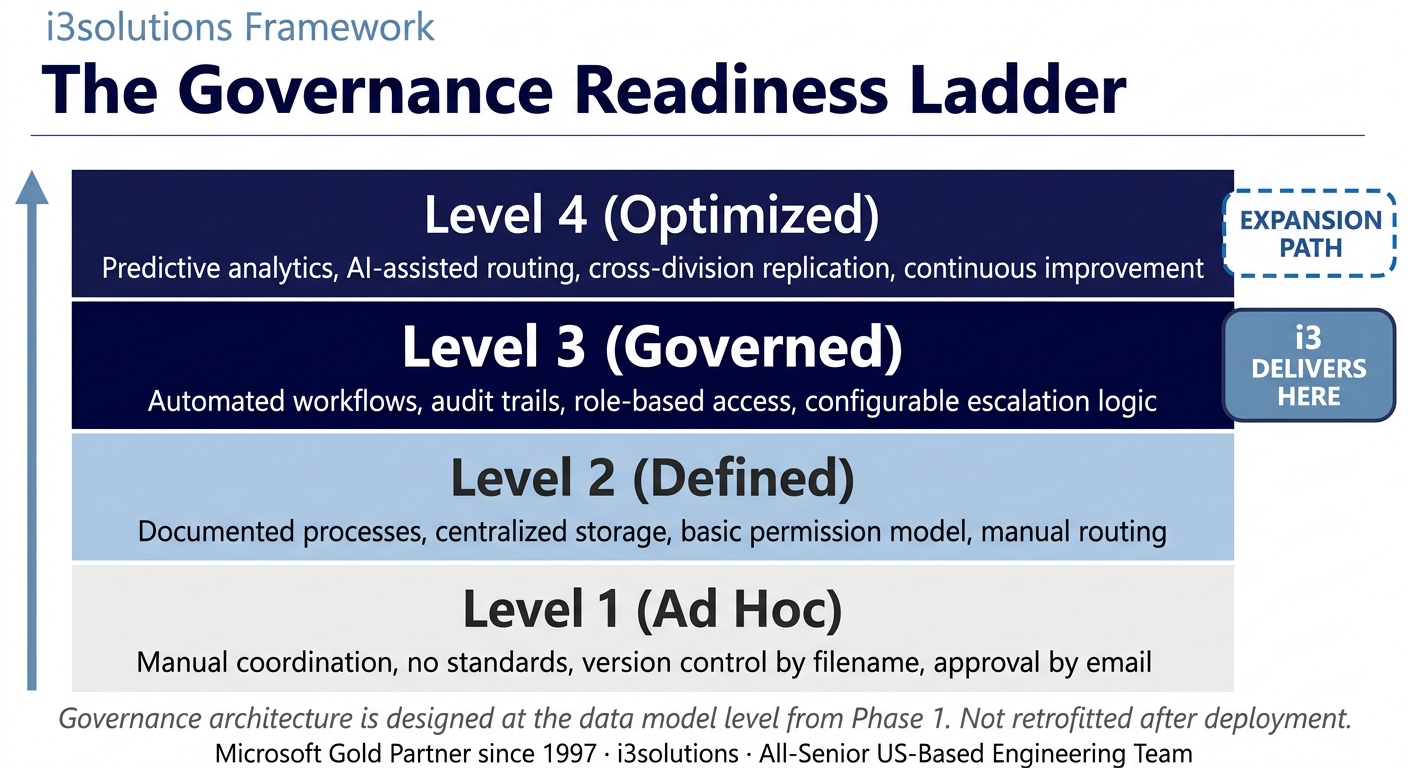
The primary challenge lay in modernizing deeply entrenched workflows across multiple physically distinct the nonprofit organization communities, each with its own localized processes and reporting structures. The new solution needed to centralize request submissions and approvals within a single, unified SharePoint platform while simultaneously respecting the unique operational needs of individual campuses. Security was paramount; granular permissions were required to ensure that sensitive data related to campaigns and performance was only accessible to authorized personnel. Achieving this balance required a highly configurable solution that offered a robust security model without overly restricting legitimate collaboration among cross-functional teams.
The complexity of the project was further magnified by the organization’s low overall maturity in utilizing advanced Microsoft cloud services. While they used basic functionality, leveraging SharePoint for complex workflow automation and data tracking represented a significant technological leap. The implementation team had to carefully design a migration strategy that would capture all critical data from existing fragmented paper records and transition it into a structured, digital format. This demanded rigorous change management to ensure seamless adoption by users who were accustomed to the simplicity of physical forms, making the development of an intuitive user interface critical.
Selection Rationale
Senior Microsoft Specialists with Proven Delivery Depth
In evaluating potential partners, the nonprofit organization recognized that larger, generic consulting firms were ill-equipped to address their specific needs. These alternatives often utilized offshore resources or prioritized commodity staffing models, lacking the deep, specialized expertise required for a truly tailored SharePoint implementation. The complexity of designing a custom workflow that balanced rigorous tracking with localized autonomy demanded a higher caliber of technical proficiency. the nonprofit organization needed a partner that offered the institutional knowledge of senior-level consultants and a demonstrated track record of successful, complex Microsoft solutions rather than generic project management.
i3solutions was ultimately selected based on its unrivaled depth as a Microsoft Gold Certified Partner since 1997. This designation validated their mastery of the platform the nonprofit organization intended to leverage. With over 600 successful implementations across diverse industries, i3solutions provided the assurance of extensive real-world experience. Furthermore, their unique staffing model, which utilizes an all-senior, entirely US-based team, guaranteed direct access to seasoned experts throughout the engagement. This approach eliminated the risk associated with junior staffing or offshoring, ensuring a level of strategic insight and technical proficiency that was essential for delivering a high-quality, sustainable solution for the nonprofit organization.
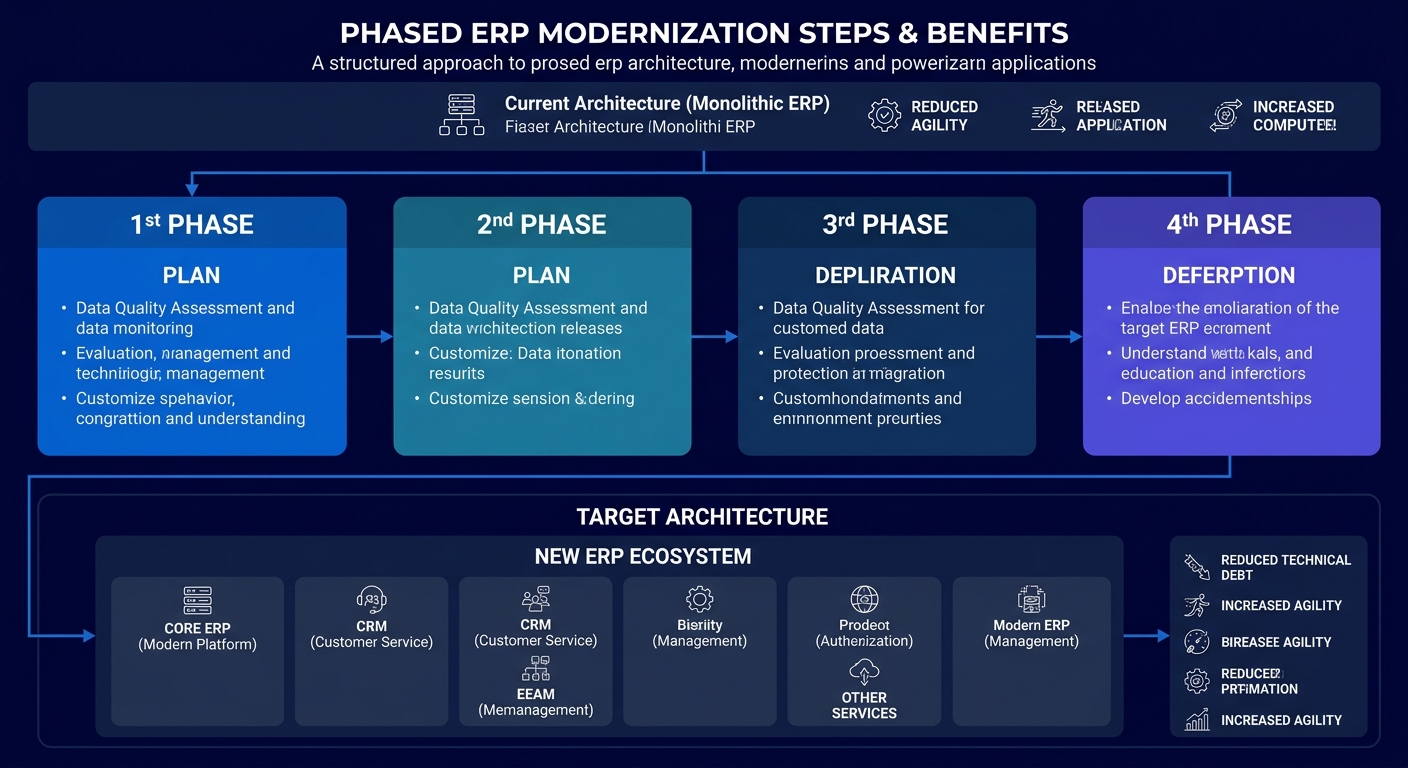
Phase 1
Process Discovery
Mapped the full marketing request workflow and quarterly goal reporting cycle, documenting every step, handoff, and visibility gap.
Phase 2
SharePoint Design
Built the digital marketing request intake form, automated routing workflow, and status tracking dashboard alongside the quarterly goal tracking module.
Phase 3
Workflow Automation
Configured automated notifications for requestors and designers, escalation rules for overdue requests, and goal update prompts for department leaders.
Phase 4
Training and Adoption
Trained marketing staff and department managers on the new request portal and goal tracking tools, managing the transition from paper-based processes.
Technical Transformation
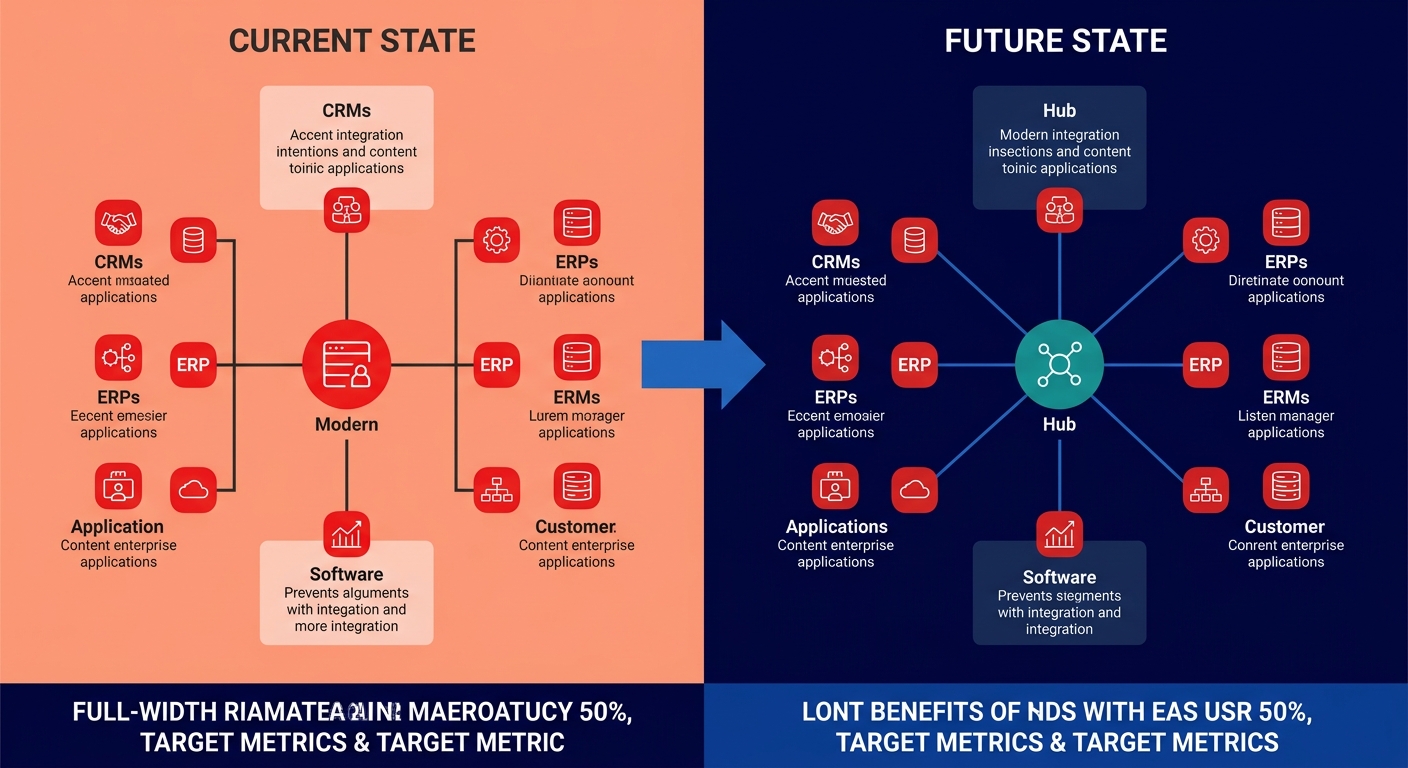
i3solutions replaced the nonprofit organization’s paper marketing request process with a SharePoint-based digital workflow. Creative requests are now submitted through a structured online form, automatically routed to the appropriate designer, and tracked in real time by requestors who can see status without having to ask. Quarterly goals are documented in a centralized system that department leaders update directly, giving senior leadership continuous visibility into organizational progress rather than a snapshot that appears only at scheduled reporting meetings.
Measurable Outcomes
| Metric |
Result |
| Request Visibility |
Real-time status tracking replaced informal status inquiries, requestors know where their request stands without asking |
| Lost Requests Eliminated |
Structured digital intake and routing replaced paper handoffs that were prone to loss and delay |
| Quarterly Goal Tracking |
Centralized goal management system gave leadership continuous visibility into departmental progress |
| Marketing Team Efficiency |
Designers spend time on creative work rather than request intake management and status communication |
| Audit Trail |
Complete digital history of all requests and approvals supports organizational accountability |
[PENDING-CLIENT-QUOTE: insert 1-3 sentence outcome-focused quote in the client’s own language from a role matching the reader’s role.]
[Name or Role], [Organization type]
Frequently Asked Questions
What is SharePoint marketing workflow automation for nonprofits?
SharePoint marketing workflow automation replaces paper-based creative request processes with structured digital intake, automated routing, and real-time status tracking. For nonprofits with lean marketing teams, it eliminates the administrative overhead of managing requests manually and gives both requestors and designers a shared, current view of every job in the pipeline.
How does i3solutions approach workflow automation for nonprofit organizations?
i3solutions begins with process mapping, documenting every step of the existing workflow to identify where requests get lost, where status is unclear, and where manual handoffs introduce delay. For the nonprofit organization, the two distinct problem areas (creative requests and goal tracking) required separate but connected solutions built on the same SharePoint foundation. i3solutions designed both to work together without adding complexity.
How does SharePoint automate creative request routing?
SharePoint uses Power Automate workflows triggered by form submission to route requests based on defined rules, type of request, deadline, priority, or team assignment. Designers receive structured notifications with all request details. Requestors receive automated status updates at key stages. Escalation rules fire automatically if deadlines approach without action. No manual coordination required from either side.
What ROI should nonprofits expect from marketing process automation?
Nonprofits that automate manual creative request processes typically recover significant staff time on both sides, marketing teams spend less time on intake management and status communication, and requestors spend less time chasing updates. The secondary ROI is output quality: when requests are structured and tracked, designers work with complete information rather than incomplete paper forms.
Why choose i3solutions for nonprofit SharePoint workflow automation?
i3solutions has delivered SharePoint automation for nonprofits including IRC, the national labor union, and Samaritan Inn. Our all-senior team brings 600+ Microsoft platform implementations and a 15-Business-Day Microsoft Assessment that gives nonprofits a clear, low-risk implementation path. We understand that nonprofit teams need solutions that reduce administrative burden, not add to it.
Who This Engagement Serves
This engagement is relevant if
- Senior living providers still utilizing paper forms for internal marketing collateral requests and project tracking.
- Multi-site aging services organizations lacking a centralized, digital system for marketing workflow visibility.
- Healthcare systems needing to modernize and secure marketing request workflows within existing Microsoft 365 environments.
Less relevant if
- Organizations without Microsoft 365 licenses or those unwilling to utilize SharePoint for internal business processes.
- Small, single-site entities with minimal marketing request volume that do not require structured digital tracking.
Ready to establish a governed Microsoft environment?
i3solutions delivers enterprise digital transformation on-time, in-scope, in-production. Microsoft Gold Partner since 1997. 600+ implementations. All-senior, all US-based team.
Schedule a 15-Business-Day Microsoft Assessment