Case Study · Energy / Critical Infrastructure
Manual Reports, Delayed Decisions: How the nuclear energy consortium Built a Real-Time Executive Dashboard for Nuclear Plant Operations
Client: the nuclear energy consortium (the nuclear energy consortium)
The Enterprise Challenge
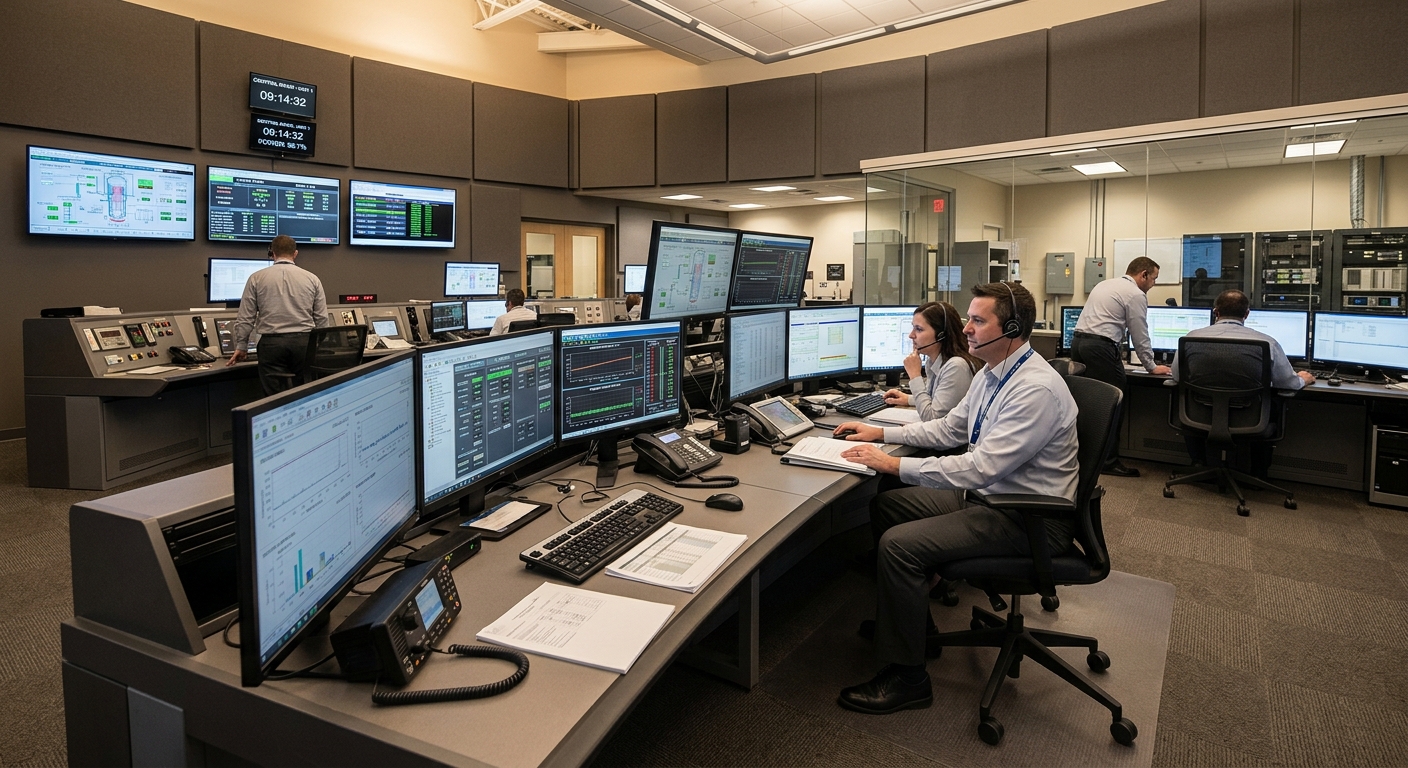
The the nuclear energy consortium (the nuclear energy consortium) manages the the nuclear energy consortium Electric Generating Station, one of the newest and largest nuclear power plants in the United States. As the operating company, the nuclear energy consortium runs the facility on behalf of multiple ownership groups and is responsible for delivering accurate, timely operational information to those partners. Ownership partners rely on this data to optimize their energy procurement decisions and revenue generation from the facility.
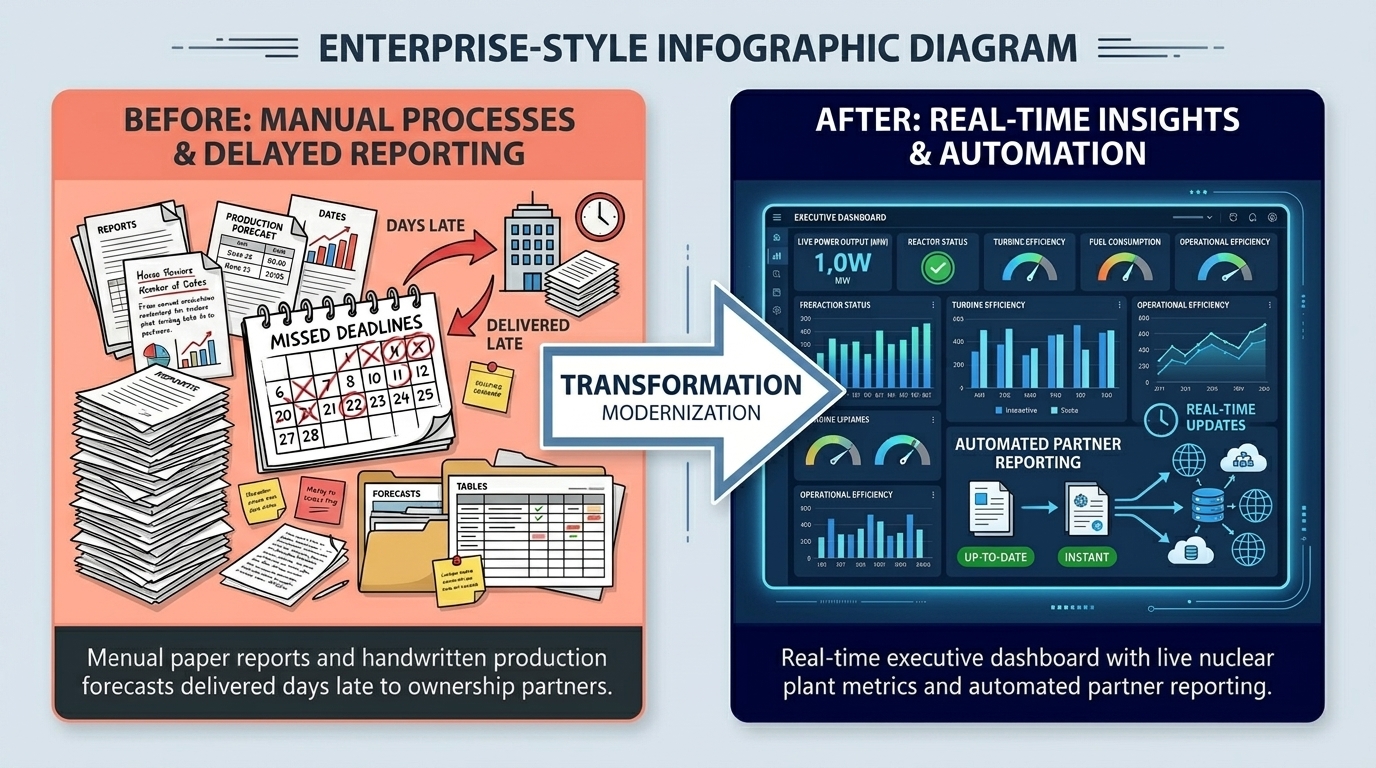
The existing reporting process was manual end-to-end. the nuclear energy consortium staff compiled operational data, production output, capacity projections, maintenance status, future forecasts, by hand from plant floor systems, creating paper reports and spreadsheets that were then distributed to ownership partners. This approach was labor-intensive, prone to transcription errors, and inherently delayed, by the time a report reached an ownership partner, the data in it was already hours or days old. In an environment where real-time energy production data directly affects revenue decisions, this delay carried tangible financial cost.
The Strategic Trigger
the nuclear energy consortium needed a reporting infrastructure that could aggregate live data from plant operational systems and present it to ownership partners through a web-based dashboard, eliminating manual compilation, eliminating reporting delays, and giving partners the real-time visibility they needed to make timely production and revenue decisions.
The Engagement Approach
Strategic Trigger
Inaccurate Manual Reports Threaten Partner Confidence and Compliance
The existing process for providing status reports to nuclear plant ownership partners relied on manual data extraction, consolidation, and distribution using spreadsheets and paper. This cumbersome approach was increasingly prone to human error, resulting in reporting delays that spanned several days and consistent inaccuracies in the critical information shared with key stakeholders. These recurring reporting failures and the significant administrative burden placed an unacceptable strain on operations, eroding trust with partner organizations who required timely, reliable data to fulfill their own regulatory, financial, and operational obligations.
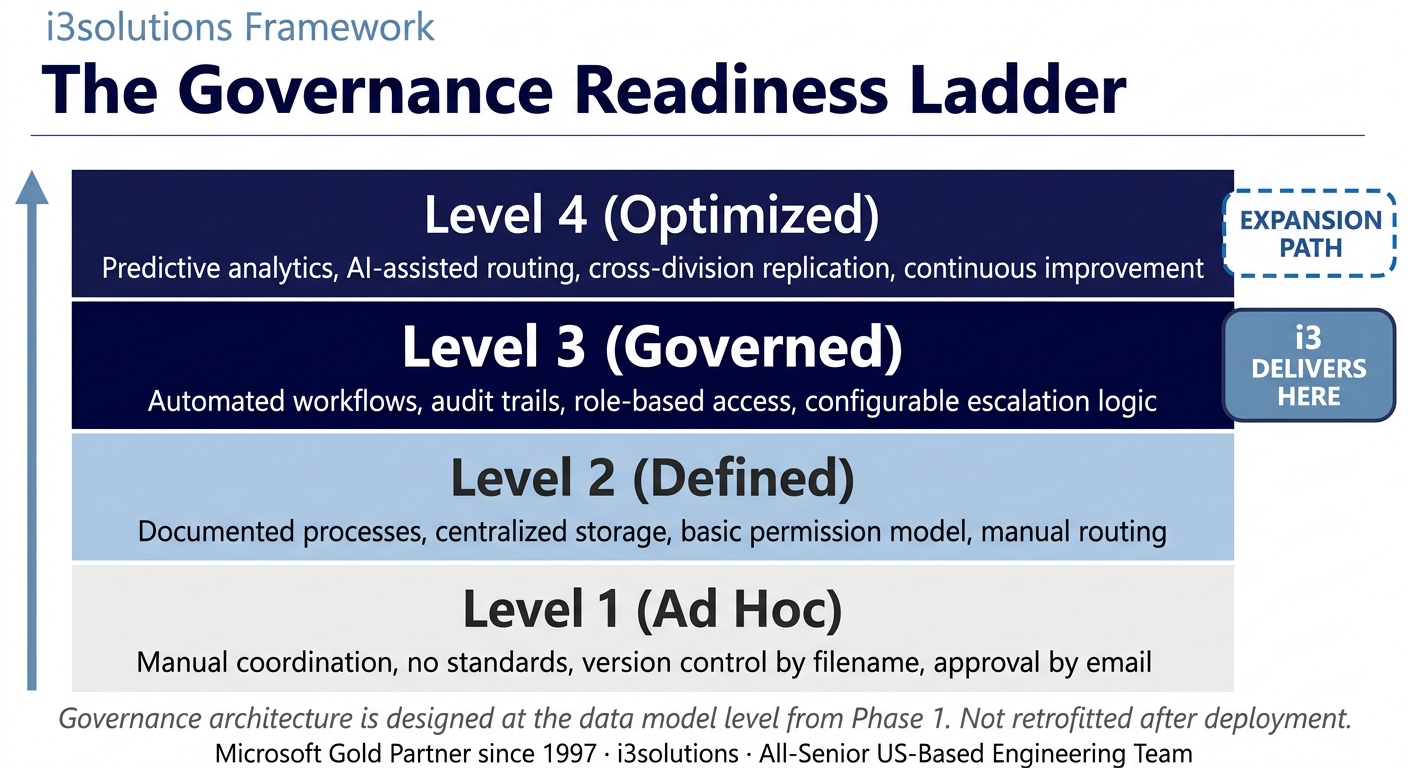
the nuclear energy consortium leadership recognized that continuing with inefficient, analog reporting methods was unsustainable in a highly regulated industry demanding transparency and precision. They acknowledged that manual report generation was no longer acceptable as it hindered timely decision-making and created substantial compliance risks. Management formally committed to implementing a modern, automated solution to ensure accurate, instantaneous data accessibility for all ownership partners. The strategic imperative was to transform reporting from a reactive, error-prone bottleneck into a proactive tool that would enhance partnership collaboration, operational transparency, and regulatory alignment.
Stakes
Delayed Reporting Penalties and Severe Loss of Partner Trust
The immediate consequences of continued inaction were substantial. Persistent delays in providing critical operational and financial data to ownership partners risked contractual penalties, increased regulatory scrutiny, and potential financial implications related to misaligned planning and investment decisions among the owners. Accurate, timely reporting is essential for maintaining compliance with nuclear industry regulations and ensuring transparent financial oversight. Continued reliance on manual processes directly threatened the nuclear energy consortium’s ability to meet these requirements, posing a direct threat to the smooth financial and operational governance of the nuclear generation facility.
Beyond quantifiable operational and compliance risks, the reputational damage from consistent reporting failures was profound. Partner organizations lost confidence in the nuclear energy consortium’s ability to provide accurate and timely information, directly hindering effective joint decision-making and strategic planning. This lack of transparency fostered mistrust among key stakeholders, potentially complicating future capital investment discussions and operational approvals. In an industry where trust and operational excellence are paramount, the inability to reliably share information threatened the long-term stability and success of the partnership that governs the nuclear facility.
Constraints and Complexity
Highly Secure Data Systems Integration and Multi-Owner Reporting Needs
The custom solution had to operate within the exceptionally stringent security and regulatory framework of a nuclear power generation facility. This required seamless integration with highly secured legacy systems and databases containing sensitive plant operational data, while ensuring that the new application met all nuclear-grade cybersecurity and regulatory compliance standards. Furthermore, the diverse reporting needs and existing technology stacks of the multiple ownership partners required a complex data aggregation and dissemination model that could provide each owner with customized, accurate views of the facility’s performance, all within a real-time framework.
The implementation faced the challenge of digitizing data workflows from highly entrenched manual processes and fragmented spreadsheets, many of which lacked standardized data definitions or validation protocols. Reconciling these diverse and often inconsistent data points into a single, unified source of truth for the reporting dashboard was incredibly complex. This process required significant data cleansing, transformation, and migration efforts, combined with the difficulty of fostering adoption among personnel accustomed to decades-old, labor-intensive workflows. Success depended not just on technical execution, but on driving significant cultural change and process standardization.
Selection Rationale
Senior Microsoft Specialists with Proven Delivery Depth
Alternatives evaluated included large, generalized consulting firms and smaller offshore staffing agencies. Large firms were dismissed due to concerns about high turnover, lack of direct engagement with senior experts, and a tendency to prioritize standardized, high-volume commodity solutions over specialized, high-impact projects. Offshore staffing models were also deemed inadequate due to security concerns inherent to the nuclear power industry, potential communication barriers, and a lack of specific expertise in complex, US-regulated compliance environments, failing to provide the level of specialized dedication and rigorous security standards the nuclear energy consortium required.
the nuclear energy consortium ultimately selected i3solutions due to their unparalleled Microsoft expertise and deep commitment to quality and security. i3solutions, a Microsoft Gold Partner since 1997 with over 600 successful implementations, provided the exact level of specialized knowledge required. Their model utilizes an all-senior, all-US-based team, ensuring direct collaboration with highly experienced specialists who could navigate the complexities of integration with critical nuclear plant systems. This proven delivery depth and focus on secure, custom solutions provided the confidence the nuclear energy consortium needed to modernize their critical partner reporting workflows.
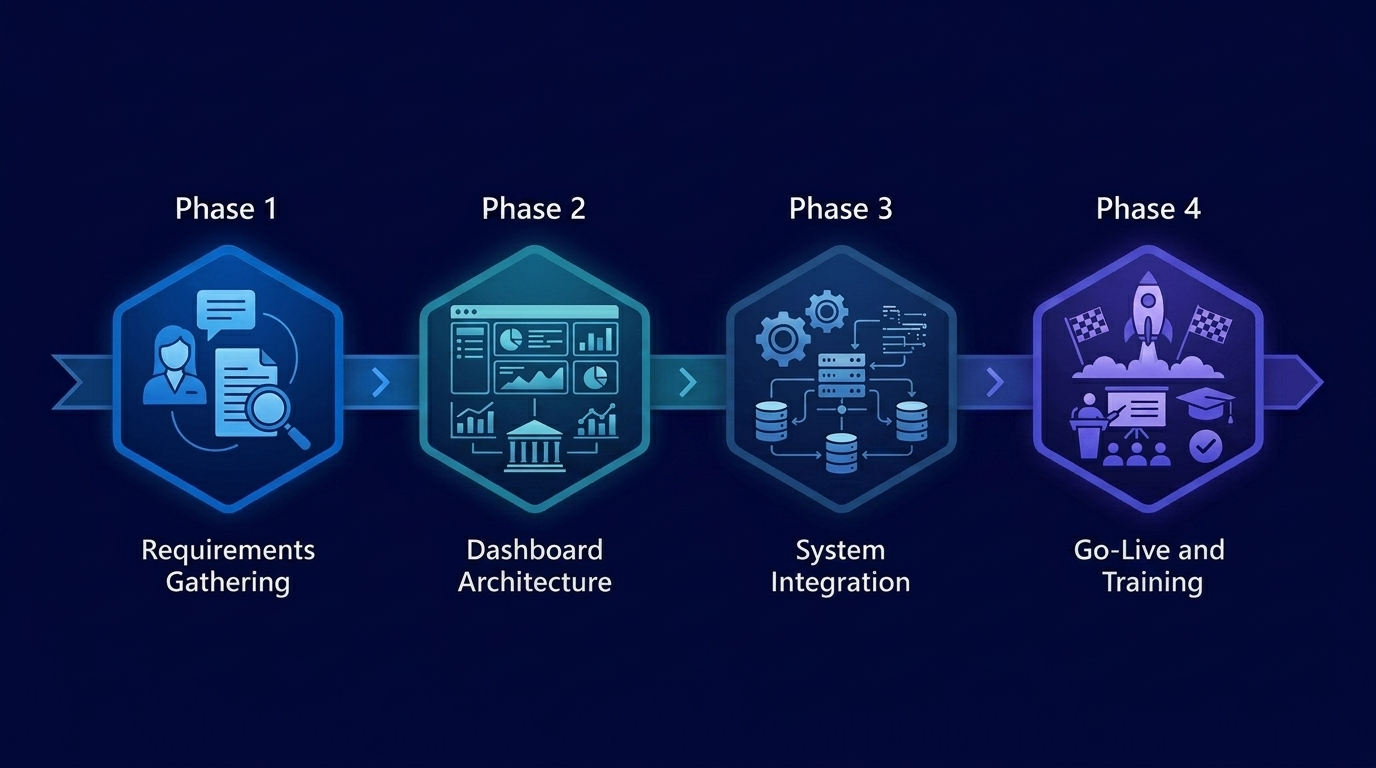
Phase 1
Requirements Gathering
Worked with the nuclear energy consortium operations and ownership partner representatives to define dashboard data elements, refresh rates, access controls, and delivery format requirements.
Phase 2
Dashboard Architecture
Designed a custom web-based executive dashboard with secure authenticated access for each ownership group, automated data feeds from plant operational systems, and configurable display views.
Phase 3
System Integration
Built data connectors between the dashboard and the nuclear energy consortium’s plant operational systems, establishing automated refresh cycles and data validation logic.
Phase 4
Go-Live and Training
Deployed the dashboard with ownership partner access provisioning and trained the nuclear energy consortium staff on dashboard administration and data management.
Technical Transformation
i3solutions delivered a real-time web executive dashboard that replaced the nuclear energy consortium’s manual paper reporting process. Ownership partners now access live operational data, production output, capacity projections, and facility performance metrics, through an authenticated web portal that refreshes automatically from plant systems. The manual compilation process that previously consumed staff time and introduced data latency was eliminated. Ownership partners gained the real-time visibility they needed to make revenue-optimizing decisions without waiting for the next scheduled report.
Measurable Outcomes
| Metric |
Result |
| Data Latency Eliminated |
Real-time dashboard replaced reports that were hours or days old by the time they reached ownership partners |
| Manual Process Removed |
Staff time previously spent on manual data compilation and report distribution fully recovered |
| Decision Quality |
Ownership partners access current production data for timely energy procurement and revenue decisions |
| Reporting Accuracy |
Automated data feeds from plant systems eliminated the transcription errors inherent in manual report preparation |
| Access Flexibility |
Web-based dashboard gives ownership partners secure access from any location rather than waiting for distributed reports |
[PENDING-CLIENT-QUOTE: insert 1-3 sentence outcome-focused quote in the client’s own language from a role matching the reader’s role.]
[Name or Role], [Organization type]
Frequently Asked Questions
What is a real-time executive dashboard for critical infrastructure operations?
A real-time executive dashboard is a web-based platform that aggregates live operational data from plant or facility systems and presents it to authorized viewers in a structured, always-current format. For the nuclear energy consortium, this replaced manual paper reporting with automated data feeds that give ownership partners continuous visibility into nuclear plant production without human intermediation.
How does i3solutions approach dashboard development for energy and critical infrastructure clients?
i3solutions begins with a detailed requirements gathering process that defines exactly what data needs to be displayed, at what refresh frequency, for which audience groups. For critical infrastructure clients, security and data access controls are first-tier requirements. i3solutions designs the data integration architecture to pull from operational systems without creating dependencies that could affect plant operations.
How does automated data integration work between a web dashboard and plant operational systems?
i3solutions builds data connectors that extract defined data elements from operational systems on a scheduled or event-driven basis, apply validation rules to ensure data quality, and write the cleaned data to the dashboard database. The dashboard then reads from this database rather than querying operational systems directly, protecting plant systems from dashboard-driven load while ensuring data currency.
What ROI should energy companies expect from replacing manual operational reporting?
Energy companies that automate manual operational reporting recover staff time previously consumed by compilation and distribution, and gain a harder-to-quantify but significant benefit in decision quality, ownership partners with real-time data make better energy procurement decisions than partners working from hours-old reports. For nuclear plant operations where production decisions are time-sensitive, this difference is financially meaningful.
Why choose i3solutions for custom dashboard and operational reporting systems?
i3solutions has built custom dashboards and reporting systems for clients including DARPA, Deloitte, and Milestone Group, consistently delivered on-time, in-scope, in-production. Our all-senior, all US-based team brings 600+ Microsoft platform implementations and a 15-Business-Day Microsoft Assessment that gives critical infrastructure operators a clear, low-risk development plan.
Who This Engagement Serves
This engagement is relevant if
- Multi-owner utility consortia currently managing joint asset reporting through siloed manual processes and spreadsheets.
- Complex generation facilities requiring real-time, auditable operational data dissemination to diverse investment partners.
- Nuclear operators seeking to transition regulatory and ownership compliance reporting from paper to secure digital platforms.
Less relevant if
- Small, single-owner municipal utilities with straightforward internal reporting lines and no external generation partners.
- Organizations prioritizing off-the-shelf SaaS solutions over custom-developed platforms tailored to unique regulatory workflows.
Ready to establish a governed Microsoft environment?
i3solutions delivers enterprise digital transformation on-time, in-scope, in-production. Microsoft Gold Partner since 1997. 600+ implementations. All-senior, all US-based team.
Schedule a 15-Business-Day Microsoft Assessment